
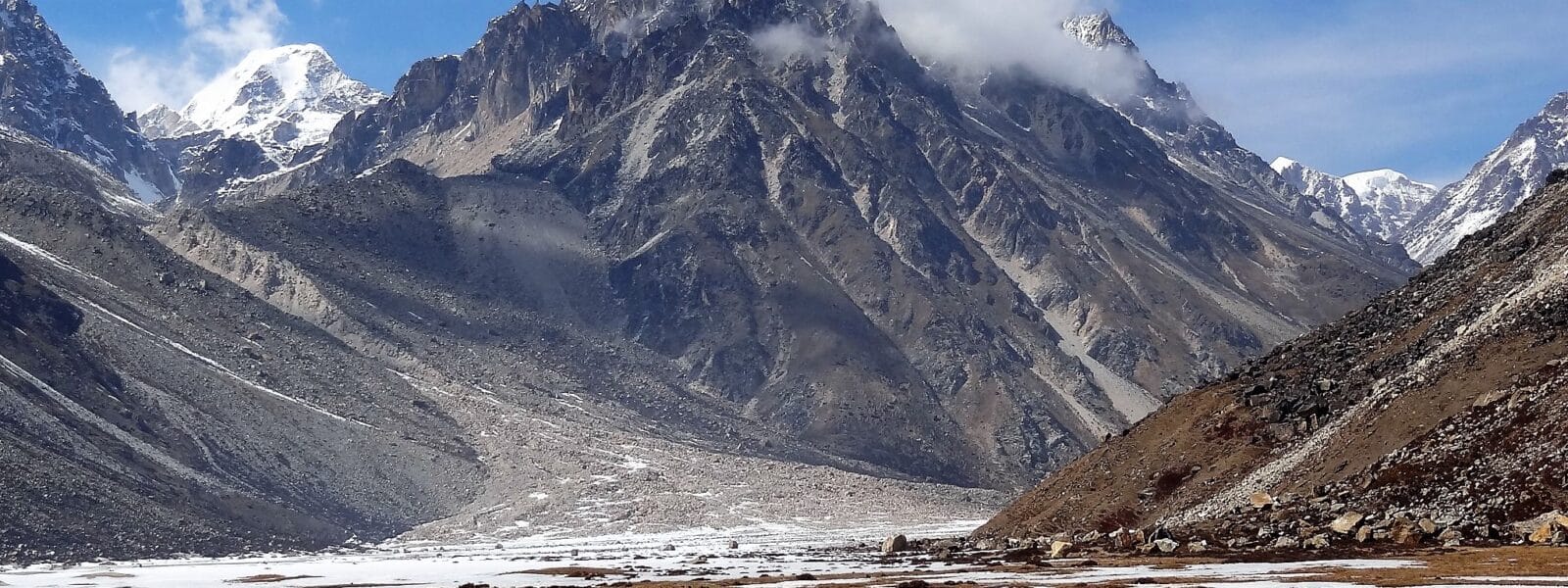
The Kanchenjunga Trek is one of the most remote and demanding trekking routes in Nepal. Located in the far eastern Himalayas, this trek leads you to the base of the world’s third-highest mountain, Mt. Kanchenjunga (8,586m). Unlike the popular Everest or Annapurna trails, this trek is designed for serious trekkers ready for physical endurance, mental strength, and raw Himalayan adventure.
So, how hard is it? Let’s break it down.
Trail Difficulty: What to Expect on the Route
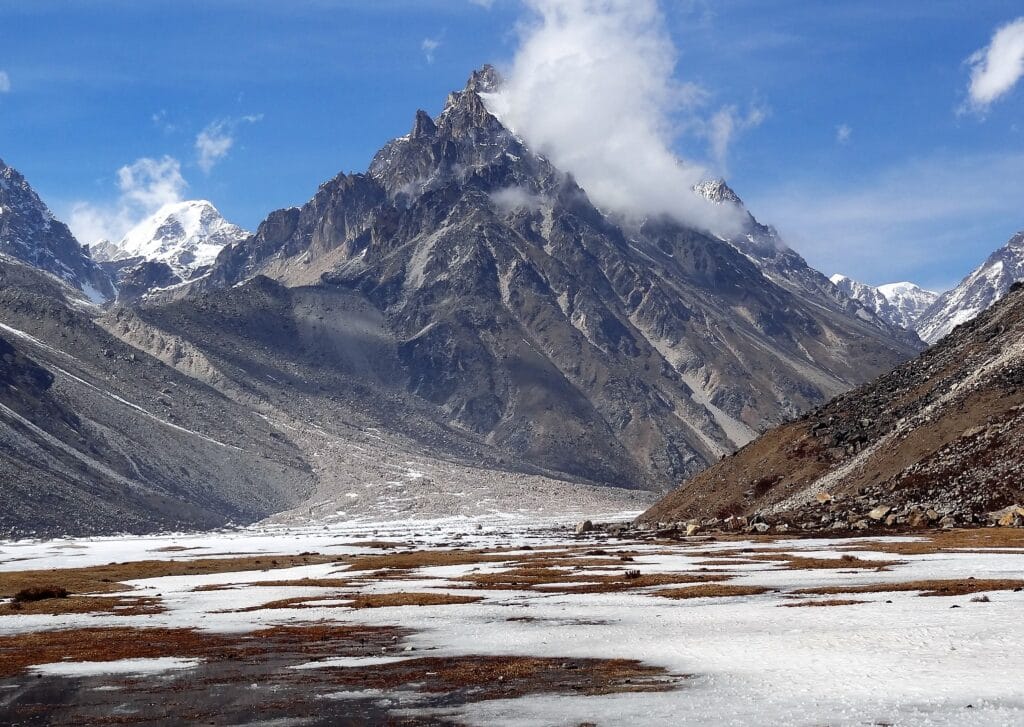
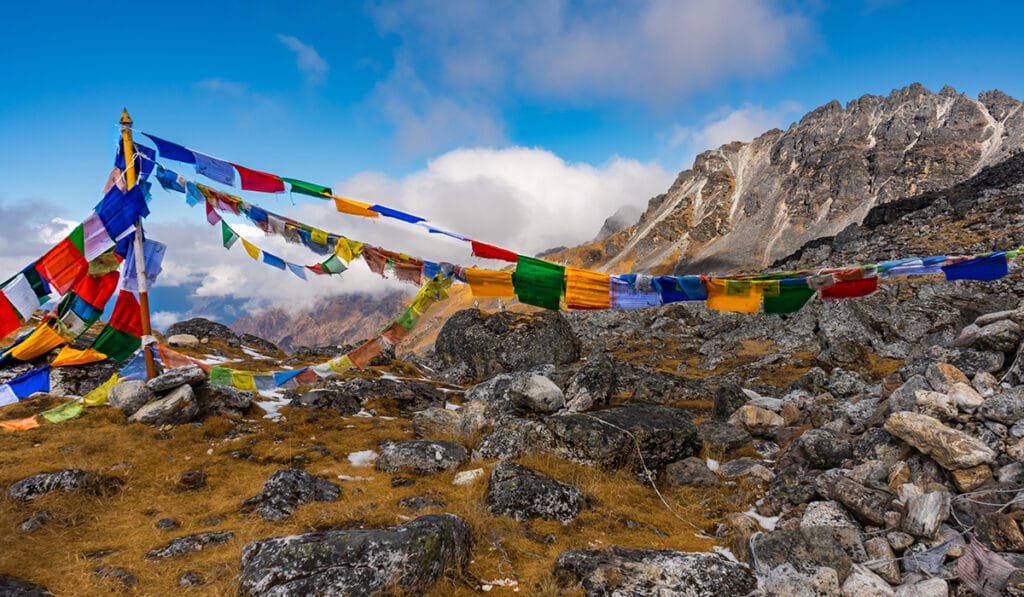
The Kanchenjunga trail challenges trekkers with steep ascents, long trekking hours, and varied terrain. The path winds through lush forests, narrow ridges, rocky paths, and high-altitude glaciers. From hot lowlands to snowy alpine zones, the drastic change in landscape adds to the trek’s complexity.
You’ll trek 6–7 hours daily over 16+ days, often covering steep uphill and downhill trails that require strong legs and endurance. The high passes and glacier valleys make the route physically demanding, even for experienced trekkers.
Altitude & Acclimatization: A Key Challenge
Altitude is one of the most challenging factors of the Kanchenjunga trek. The North Base Camp (Pangpema) sits at 5,143 meters, which means there’s a serious risk of altitude sickness if proper acclimatization isn’t maintained.
The route includes built-in rest days, especially in places like Ghunsa, to help your body adjust. Still, it’s important to pace yourself, drink plenty of water, and stay alert for symptoms like headaches or dizziness.
Trek Duration: Long & Demanding
This is not a short trek.
The standard Kanchenjunga North Base Camp itinerary takes 16 to 20 days, with some variations extending up to 23–24 days if you’re combining both North and South base camps. Long trekking days, combined with remoteness and basic facilities, can be mentally and physically draining.
The longer duration also means you need to be prepared for consistency—day after day of hiking with minimal luxury.
Required Fitness Level: Strong Body, Strong Mind
This trek demands more than casual fitness. You’ll need a good cardiovascular base, strong legs, core strength, and mental stamina. It’s recommended to start training at least 2–3 months in advance, focusing on:
- Hiking or hill walking with a weighted backpack
- Stair climbing and elevation training
- Endurance cardio (running, cycling, swimming)
- Strength workouts (squats, lunges, planks, core)
- Flexibility and recovery (yoga, stretching)
A trek this long in such a remote setting tests both physical ability and your mindset. Mental preparation is just as crucial.
Weather Challenges: Be Ready for Extremes
The Kanchenjunga region sees extreme weather changes. In lower areas, temperatures can reach 25°C, while at higher altitudes, it can drop to -15°C or colder, especially at night.
The trail can be affected by snow, landslides, and strong winds. That’s why the best time to trek is during spring (March–May) and autumn (September–November) when weather is more stable and visibility is at its best.
Accommodation & Trail Isolation
Unlike Annapurna or Everest, the Kanchenjunga region is less developed in terms of infrastructure. Tea houses are available, but they’re often basic. Some remote parts may require camping if accommodations are full or closed during the offseason.
You’ll also encounter limited communication networks, minimal supplies, and very few other trekkers. This isolation enhances the adventure—but it also means you must come well-prepared, mentally and logistically.
Who Should Attempt This Trek?
This trek is best suited for seasoned trekkers who:
- Have previous experience trekking above 4,000 meters
- Are comfortable with long days and basic living conditions
- Enjoy raw nature and fewer crowds
- Can carry their gear or handle extended trekking support
If you’re new to trekking, we recommend building up your experience with treks like Annapurna Base Camp or Langtang Valley before attempting Kanchenjunga.
Final Thoughts: It’s Hard—But Worth It
So, how hard is the Kanchenjunga trek?
In one word: challenging. But it’s also one of the most rewarding treks in Nepal. You’ll walk through virgin forests, traditional villages, glacial valleys, and stand face to face with the towering Kanchenjunga massif in complete solitude.
With the right training, mindset, and the support of an expert team like Nepal Trek 360, you can conquer this unforgettable journey.
Ready to Challenge Yourself?
Let Nepal Trek 360 be your trusted partner on this epic adventure. We provide licensed guides, full logistical support, acclimatization planning, and everything you need for a successful Kanchenjunga trek.
👉 Book your trek with us today and step into the heart of the Himalayas!