
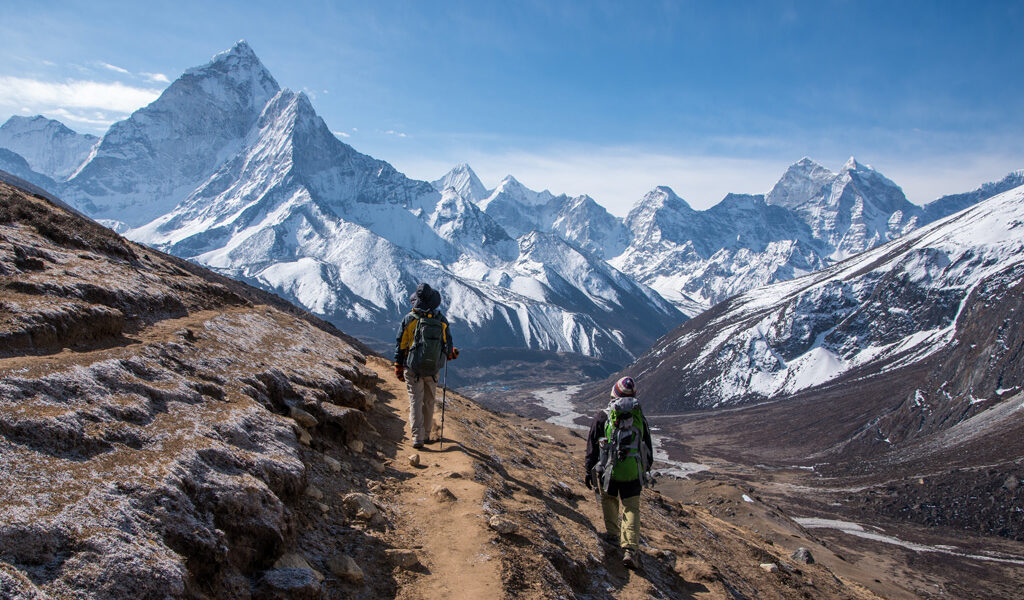
Nepal’s trekking routes offer a unique experience every season, with distinct weather conditions, landscapes, and challenges. Whether you’re seeking clear skies, lush greenery, or solitude in the snowy mountains, knowing the best treks per season can make your journey even more special. Here’s a guide to help you plan your trek based on Nepal’s seasons.
Autumn (September – November)
Autumn is considered the peak trekking season in Nepal due to the clear skies, moderate temperatures, and vibrant scenery. During this period, the weather is stable and trekking conditions are ideal for high-altitude routes.
Best Treks in Autumn:
- Everest Base Camp: The Everest region is at its best in autumn, offering breathtaking views of the world’s tallest mountain and surrounding peaks. This is the busiest season, so expect popular trails.
- Annapurna Circuit: Known for its diverse landscapes, the Annapurna Circuit offers a moderate climate and stunning views. Autumn offers views of the Annapurna and Dhaulagiri ranges in their full glory.
- Langtang Valley: A relatively easier trek with stunning views of Langtang Lirung and various smaller peaks. This trek is ideal for those who want a bit of isolation but with amazing mountain views.
What to Expect: Expect clear skies, warm days, and cool nights. While it is the peak season, the trails are well-maintained and bustling with trekkers from all over the world. The visibility of the Himalayas is unmatched.
Winter (December – February)
Winter in Nepal can be harsh, with cold temperatures and heavy snowfall, especially at higher altitudes. However, winter trekking offers a quieter, more serene experience, with fewer trekkers on the trail.
Best Treks in Winter:
- Ghorepani Poon Hill: One of the best treks for winter, as it offers stunning views of the Annapurna range and is lower in altitude, meaning temperatures are more manageable.
- Everest Panorama Trek: Offering a view of the Everest massif, this trek is lower in elevation, making it a great winter option for those who want a taste of the Himalayas without extreme cold.
- Mardi Himal Trek: This trek has a moderate altitude and offers great views of the Annapurna and Machapuchare mountains. It’s perfect for winter as the trail is not too crowded.
What to Expect: The cold temperatures, especially at night, will challenge you, but the quiet trails and snow-covered peaks provide an enchanting atmosphere. Proper preparation with warm clothing and gear is essential.
Spring (March – May)
Spring is another prime trekking season in Nepal. The weather is warmer than in winter, and the landscape comes alive with blooming rhododendrons and wildflowers. The clear skies of autumn return, but with more trekkers.
Best Treks in Spring:
- Manaslu Circuit: The Manaslu region is renowned for its natural beauty and cultural richness. Spring offers ideal conditions for this strenuous trek.
- Annapurna Base Camp (ABC): Spring brings moderate temperatures and clear skies to the ABC trek, offering trekkers the chance to witness the lush flora along with impressive Himalayan views.
- Makalu Base Camp: With fewer crowds and magnificent views of the Makalu and Everest ranges, this trek is perfect for those seeking adventure off the beaten path.
What to Expect: Warm weather, beautiful landscapes filled with flowers, and clear mountain views. The higher altitudes can still be challenging, but overall conditions are ideal for trekking.
Summer/Monsoon (June – August)
The monsoon season is the least popular time to trek in Nepal due to heavy rainfall, especially in the lower regions. However, some areas remain dry during the monsoon and are ideal for trekking during this time.
Best Treks in Monsoon:
- Upper Mustang: A rain-shadow area, Upper Mustang offers dry conditions even during the monsoon, making it a perfect choice for trekkers looking to avoid the rain.
- Nar Phu Valley: Situated in the rain-shadow region, this trek is a fantastic option to explore rugged, remote landscapes while avoiding the monsoon rains.
- Dolpo Region: Renowned for its rich ancient Tibetan culture, Dolpo remains dry during the monsoon, presenting a fantastic opportunity to embark on high-altitude trekking in solitude.
What to Expect: Expect heavy rainfall in most areas, making the trails slippery and challenging. The off-the-beaten-path areas such as Upper Mustang and Dolpo, however, are dry and more tranquil during this time.
Conclusion: Choosing the Right Season for Your Trek
Each season in Nepal offers something unique, whether it’s clear skies, lush landscapes, or quiet trails. Autumn and spring provide the most favorable conditions for trekking, while winter offers a serene experience with fewer trekkers. Summer/monsoon season, though challenging, provides an opportunity for those seeking solitude in the rain-shadow regions.
By knowing what to expect and planning accordingly, you can choose the best season for your trek, ensuring an unforgettable Himalayan adventure.