
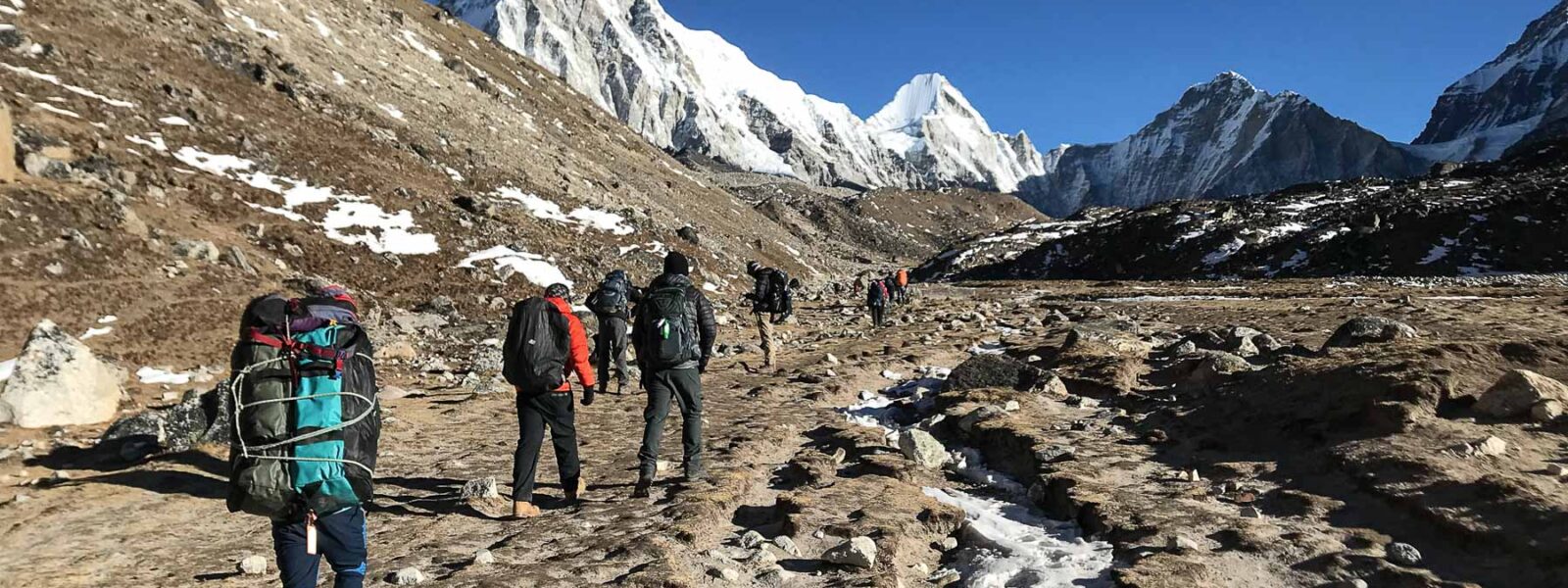
Trek Preparation Guide is crucial for an enjoyable and safe experience, especially when trekking in high-altitude regions like Nepal. In this guide, we cover fitness requirements, mental preparation, essential gear, and practical tips to help you fully prepare for your adventure.
1. Physical Fitness: Building Strength and Stamina
A strong fitness foundation helps you navigate challenging terrain and altitude changes. Key areas to focus on include:
- Cardiovascular Endurance: Activities like running, cycling, and swimming, 3–4 times a week, will help build the stamina needed for long trekking days. Aim for 30-45 minutes per session.
- Leg Strength: Trekking often involves steep ascents and descents, so strengthening your legs is essential. Focus on squats, lunges, and stair climbing, which mimic trekking conditions.
- Core Stability and Balance: A strong core prevents fatigue, especially when carrying a backpack. Core exercises, such as planks and leg raises, also help with balance on rocky paths.
Begin training 8–12 weeks before your trek, gradually increasing your workout intensity.
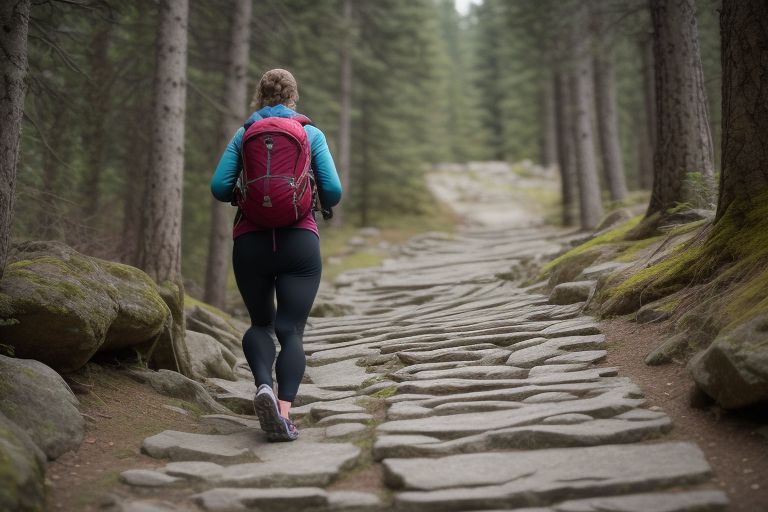
2. Mental Preparation: Embracing the Trekking Mindset
High-altitude trekking requires mental endurance just as much as physical. Here’s how to prepare:
- Positive Mindset: Trekking often brings unpredictable challenges like sudden weather changes and tough terrain. Adopting a positive attitude helps you view these obstacles as part of the adventure.
- Patience and Flexibility: Trekking at altitude involves a slower pace, frequent breaks, and sometimes altered plans. Be patient, and prepare to adapt to the trail’s demands.
- Mindfulness and Stress Management: Practicing mindfulness or deep breathing can ease altitude-related stress. These techniques also help you focus on each step, enhancing the journey’s overall experience.
Building mental resilience will make the trek more enjoyable and help you push through challenging moments.
3. Packing Essentials: What to Bring on Your Trek
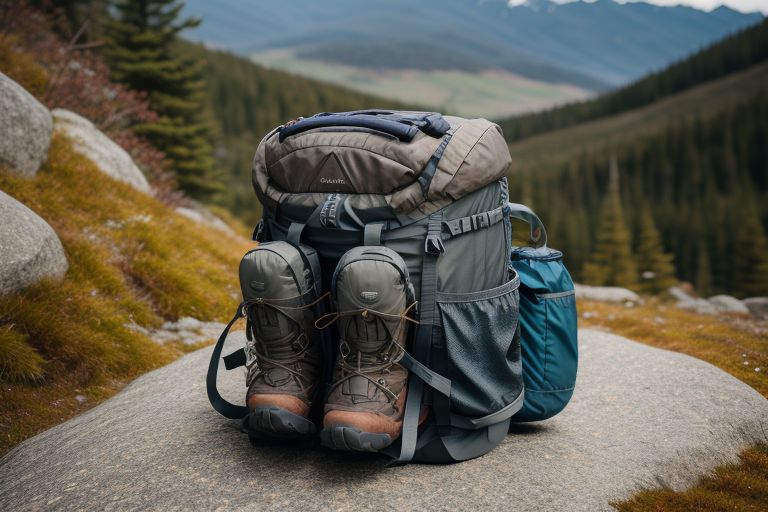
Packing correctly ensures comfort and safety. Here’s a rundown of essential gear:
- Layered Clothing: Weather changes quickly in the mountains, so pack moisture-wicking base layers, insulating mid-layers, and waterproof outer layers. Layering allows you to adapt to temperature fluctuations.
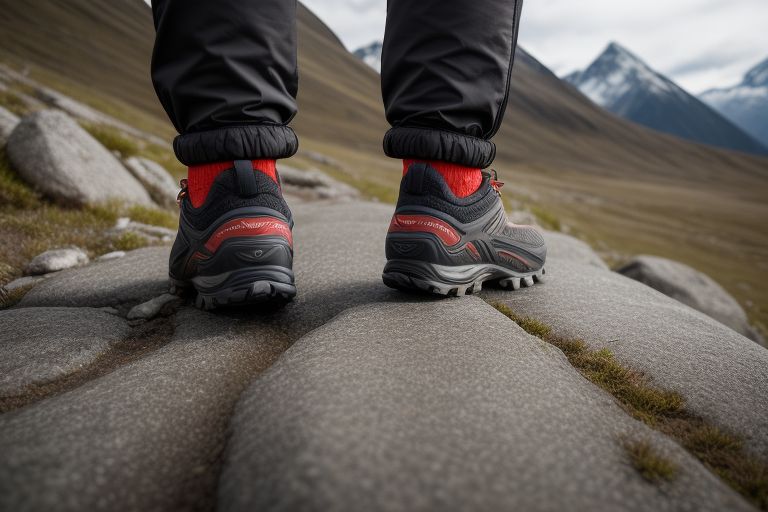
- Proper Footwear: Trekking boots with ankle support and grip are essential. Make sure your boots are broken in before the trek to prevent blisters and discomfort.
- Backpack and Hydration: A well-fitted backpack (30-40 liters) with adjustable straps is crucial. Use a hydration pack or bottle that’s easy to access without stopping, as staying hydrated at altitude is key.
- Additional Essentials: Sunglasses, sunscreen, and a good hat protect you from intense UV rays at high altitudes. Trekking poles also help with balance and reduce knee strain on descents.
4. Nutrition and Hydration: Fueling Your Trek
High-altitude trekking increases calorie needs, so it’s essential to fuel your body adequately:
- Balanced Diet: Carbohydrates are your main energy source, so include them in meals and snacks. Protein supports muscle recovery, and healthy fats provide sustained energy.
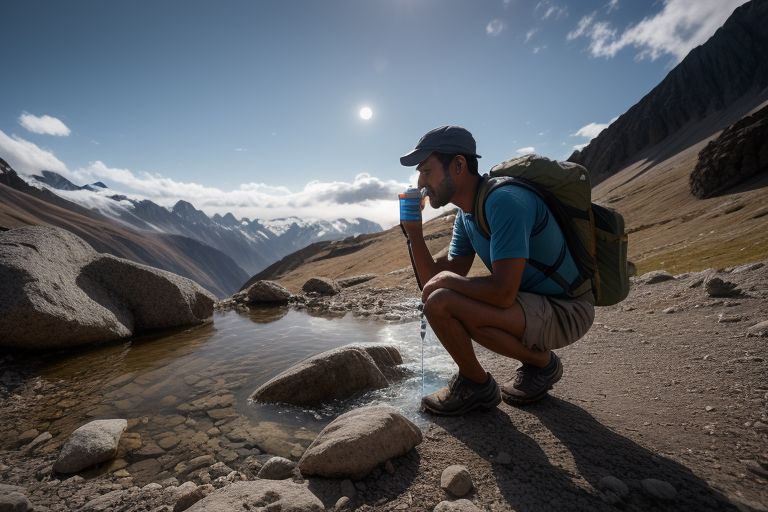
- Hydration: Dehydration is a common issue at altitude, where water is lost more rapidly. Aim to drink 3–4 liters daily, even if you don’t feel thirsty, as this helps with altitude acclimatization.
Lightweight, high-calorie snacks like trail mix, energy bars, and dried fruit are easy to carry and keep your energy up between meals.
5. Altitude Acclimatization: Staying Safe at High Altitude
Altitude sickness can affect anyone, so acclimatization is key to avoiding it:
- Go Slow: Climbing too quickly increases the risk of altitude sickness. Follow a gradual ascent, take acclimatization days as needed, and listen to your body.
- Symptoms to Watch For: Headaches, nausea, dizziness, and shortness of breath are common signs of altitude sickness. If symptoms persist, it’s essential to descend and consult a guide.
- Hydrate and Rest: Staying hydrated and well-rested aids acclimatization. Avoid alcohol, which can exacerbate dehydration and altitude symptoms.
Proper acclimatization ensures a safer experience and allows you to fully enjoy the trek.
6. Additional Planning Tips: Insurance, Permits, and Health Preparations
A few final preparations can help ensure a smooth trek:
- Travel Insurance: Choose a policy that covers high-altitude trekking, medical evacuation, and any emergencies. Many insurance providers have special policies for adventure travelers.
- Trekking Permits: Certain treks require permits, such as the TIMS (Trekkers’ Information Management System) card and specific conservation area permits. Confirm requirements for your route before heading out.
- Health Preparations: Consult a travel clinic for recommended vaccinations and ensure you have any necessary medications on hand.
Conclusion: Ready to Hit the Trails!
With proper physical and mental preparation, essential gear, and practical know-how, you’ll be well-prepared for the challenges and rewards of trekking in Nepal. Preparation enables you to fully appreciate the beauty of the Himalayas and creates memories that will last a lifetime.
By focusing on each aspect of preparation, you’ll have an adventure that’s as safe as it is inspiring.